
MSc Aviation Safety & Human Factors
Prepare for leadership in one of Aviation’s most critical areas, from safety management systems to human performance.
Standard Course Fee £8000
Special Discount for Turkish Airline Group employees £6300
Programme Overview
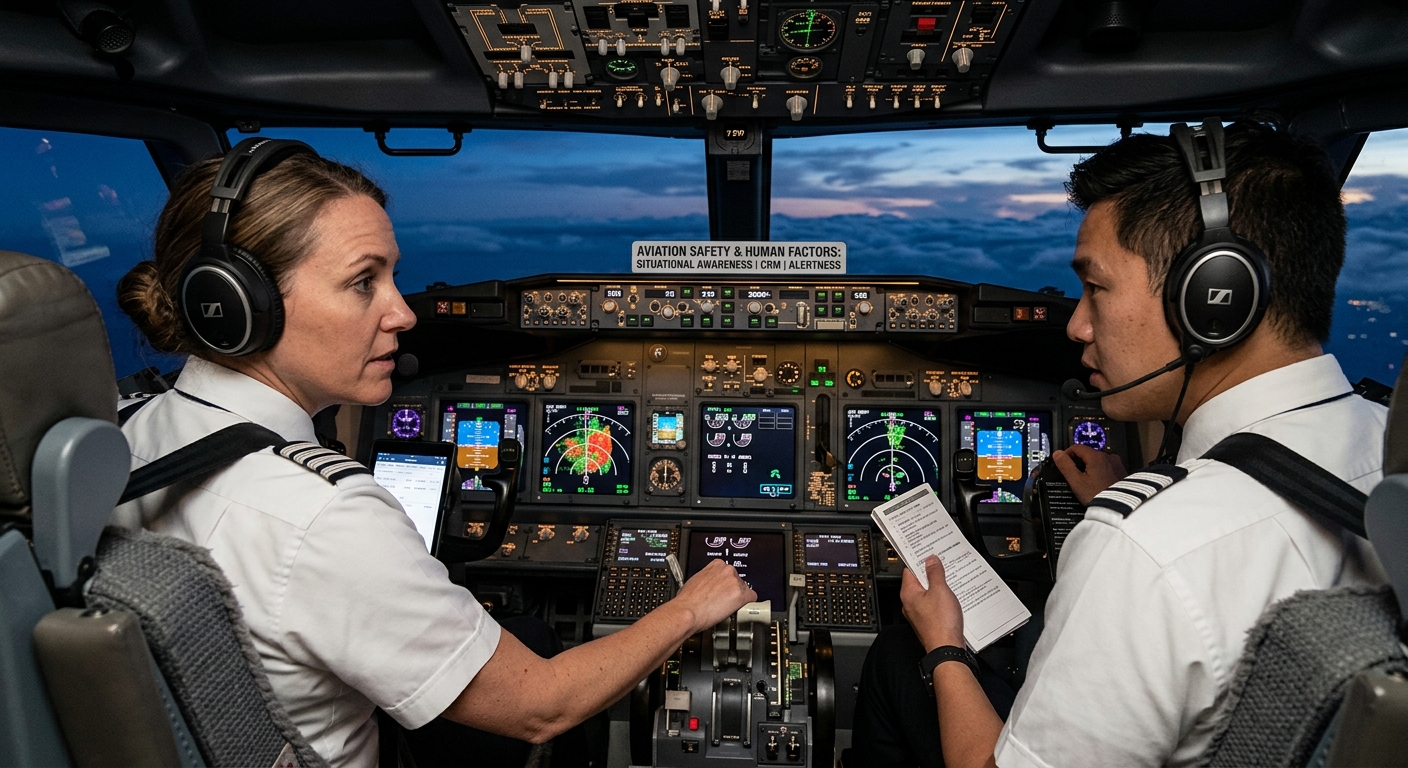
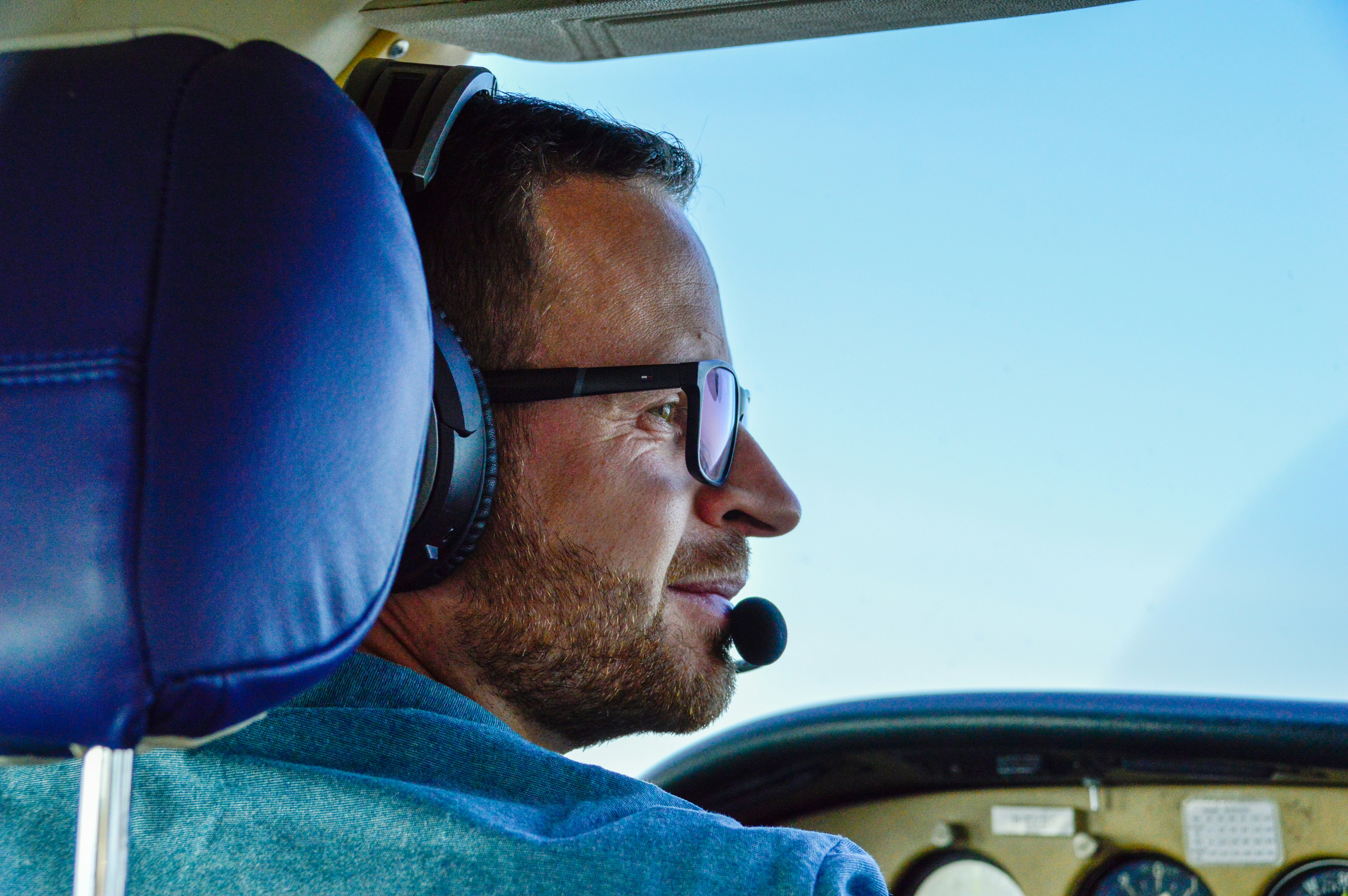
This programme combines rigorous academic study with applied industry practice. You will explore how safety management systems, regulatory frameworks and human performance shape decision-making and operational effectiveness. A flexible mix of core and optional modules lets you tailor your learning, and experiential learning prepares you to lead safety initiatives, influence organisational change and strengthen resilience across airlines, airports, regulators and service providers.
Key Modules
Explore a curriculum carefully calibrated for modern global leaders. These strategic modules ensure a profound academic foundation alongside practical consultancy skills required in aviation governance.
Safety Management Systems in Aviation
This module explores why Safety Management Systems are vital to the aviation industry, balancing protection against unwanted outcomes with operational productivity. It covers safety risk management, hazard identification, safety assurance, safety culture and emergency response, alongside the organisational structures required under ICAO Annex 19. Students gain the skills to competently implement and manage an SMS within an aviation organisation.
Human Cognition, Performance and Limitations
Human performance is a cornerstone of aviation safety and efficiency. This module examines the cognitive, physiological and psychological factors that shape what people can and cannot do in complex aviation environments, including attention, memory, workload, fatigue, stress and situational awareness. Aligned with ICAO’s Human Performance Principles, it equips students to assess human performance risks and propose interventions that strengthen system resilience.
Human Factors and Safety Management
This module looks at how human factors principles are applied at the organisational level within Safety Management Systems. Students critically examine the four SMS pillars alongside safety culture, just culture, reporting systems and resilience engineering. Using real-world cases from airlines, airports and air navigation service providers, the module develops the ability to design and strengthen safety frameworks that support human performance.
Leadership and Crisis Management
Effective leadership is a critical determinant of safety and resilience, particularly in times of crisis. This module explores leadership theories and practices in safety-critical organisations, with a focus on how leaders prepare for, respond to and recover from crises. Drawing on real aviation case studies, it develops skills in decision-making under pressure, crisis communication and building trust and just culture.
Crew Resource Management (Optional)
Crew Resource Management optimises human performance through effective communication, leadership, teamwork and decision-making in multi-crew environments. This module examines the evolution of CRM within the wider human factors discipline and integrates ICAO, EASA and FAA frameworks with Evidence-Based Training and non-technical skills. Students learn to design, deliver and assess CRM programmes across flight deck, cabin, maintenance and air traffic settings.
Airworthiness and Maintenance (Optional)
Airworthiness and effective maintenance management are essential foundations of aviation safety. This module provides an integrated view of the technical, regulatory and human factors behind safe aircraft operations, covering continuing airworthiness and compliance under EASA, FAA and ICAO frameworks. It also examines tools such as HFACS, MEDA and BowTie, and the emerging role of predictive maintenance and AI-enabled diagnostics.
Human – Machine Interactions in Aviation (Optional)
Aviation increasingly relies on automation, digital systems and artificial intelligence to enhance safety and efficiency. This module explores how these technologies affect human performance, decision-making, situational awareness and trust across flight operations, air traffic management and maintenance. Students evaluate strategies for effective human-machine collaboration and the responsible integration of AI into safety-critical systems.
Flight Data Monitoring (Optional)
Flight Data Monitoring is a proactive safety tool that analyses flight operations data to identify risks and trends before they lead to incidents. This module covers how flight data is recorded, processed and interpreted to support investigations, training and operational decisions within an SMS. Moving beyond exceedance-based analysis, it explores how data analytics can drive predictive safety management and performance improvement.
Incident and Accident Investigation in Aviation (Optional)
This module develops an understanding of the principles, processes and regulatory frameworks governing aviation incident and accident investigation under ICAO Annex 13 and Annex 19. Students explore investigative techniques, root cause analysis, occurrence reporting and the importance of a just culture. It also examines how investigation findings feed into Safety Management Systems and the roles of States in international investigations.
Business Consulting Project (Alt Core)
This module enables students to explore a real management or business issue within aviation in depth, drawing together the knowledge and analysis gained across the programme. Students produce a professional business research report and management summary that provides a clear basis for action. The project also builds reflective practice, subject confidence and the consultancy skills that enhance employability.
Research Project (Alt Core)
This module enables students to conduct an extensive, independent research project that combines academic rigour with practical relevance to the aviation field. Students develop advanced skills in research methodology, data analysis and scholarly writing. By synthesising knowledge from across the programme and applying it to real-world problems, they make a meaningful contribution to the discipline.
Ready to lead the Future of Aviation?
Join our world-class corporate flight and airport management programs designed for next-generation Aviation leaders. Empower your career with industry-approved expertise.